Dec 1, 2025
ENOS Mission Announcement
Reusable Satellites for Microgravity Research & Manufacturing
Announcement
Press Release
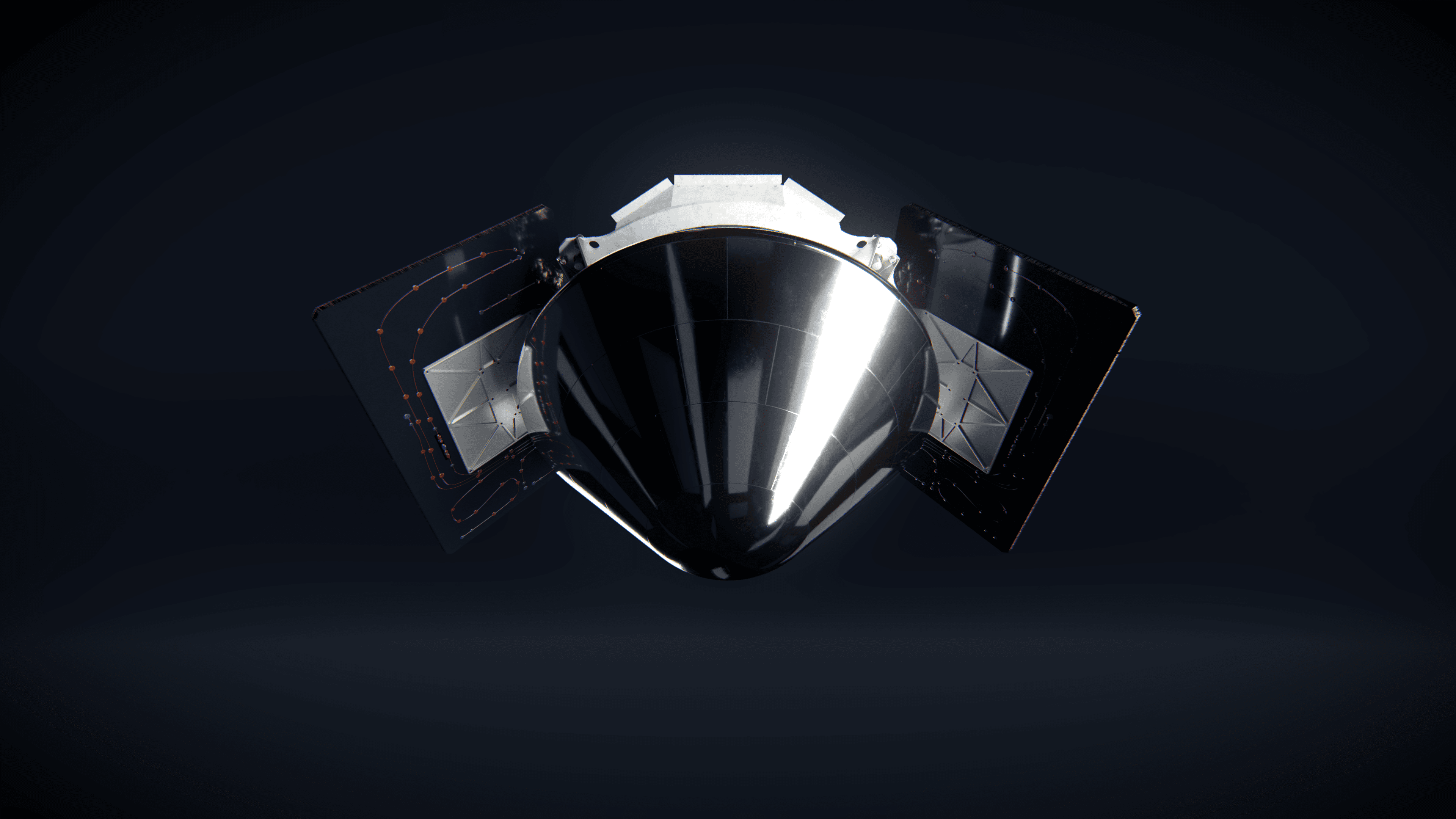
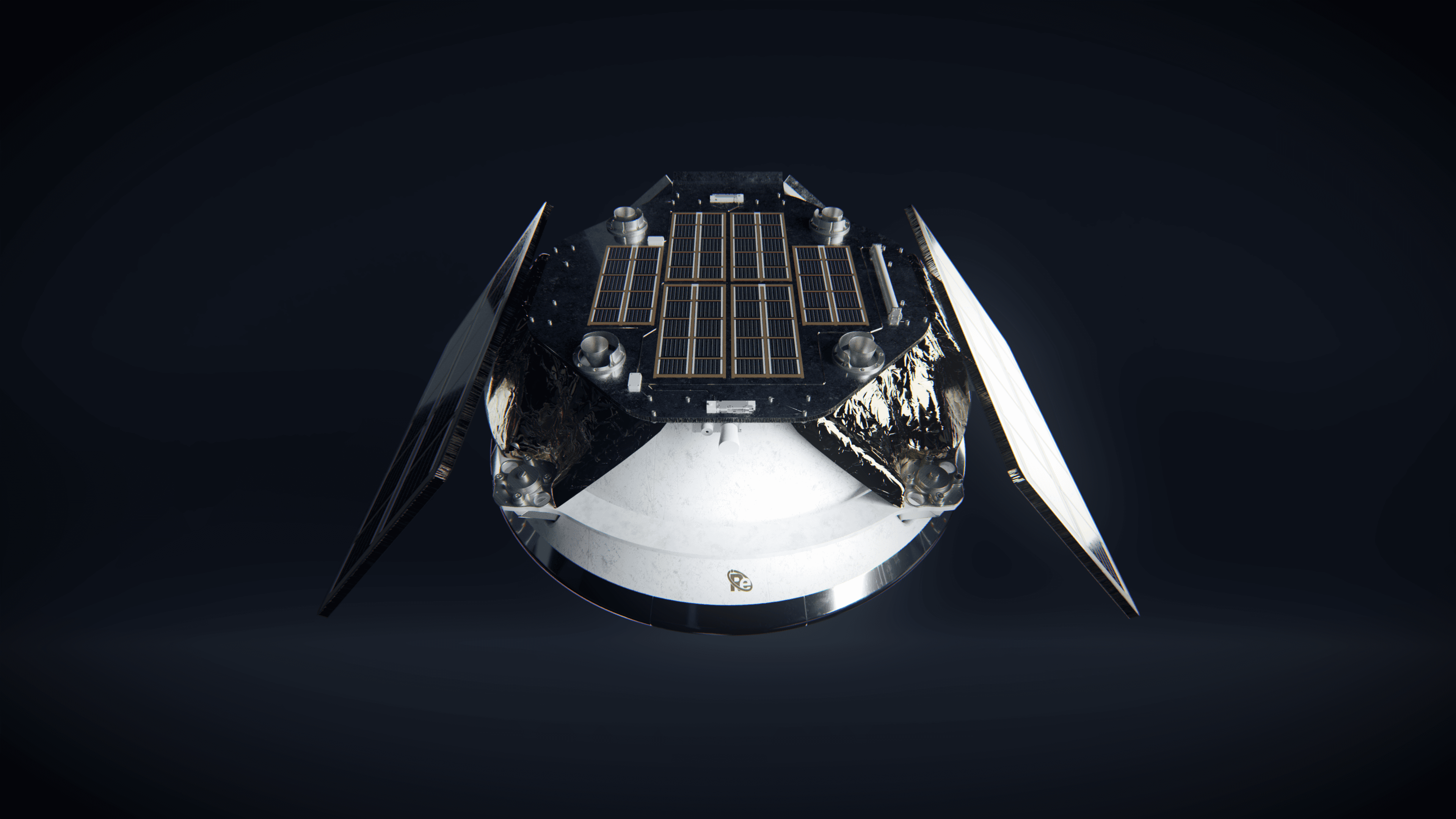
Reditus Space announces ENOS, the first reusable satellite ever built.
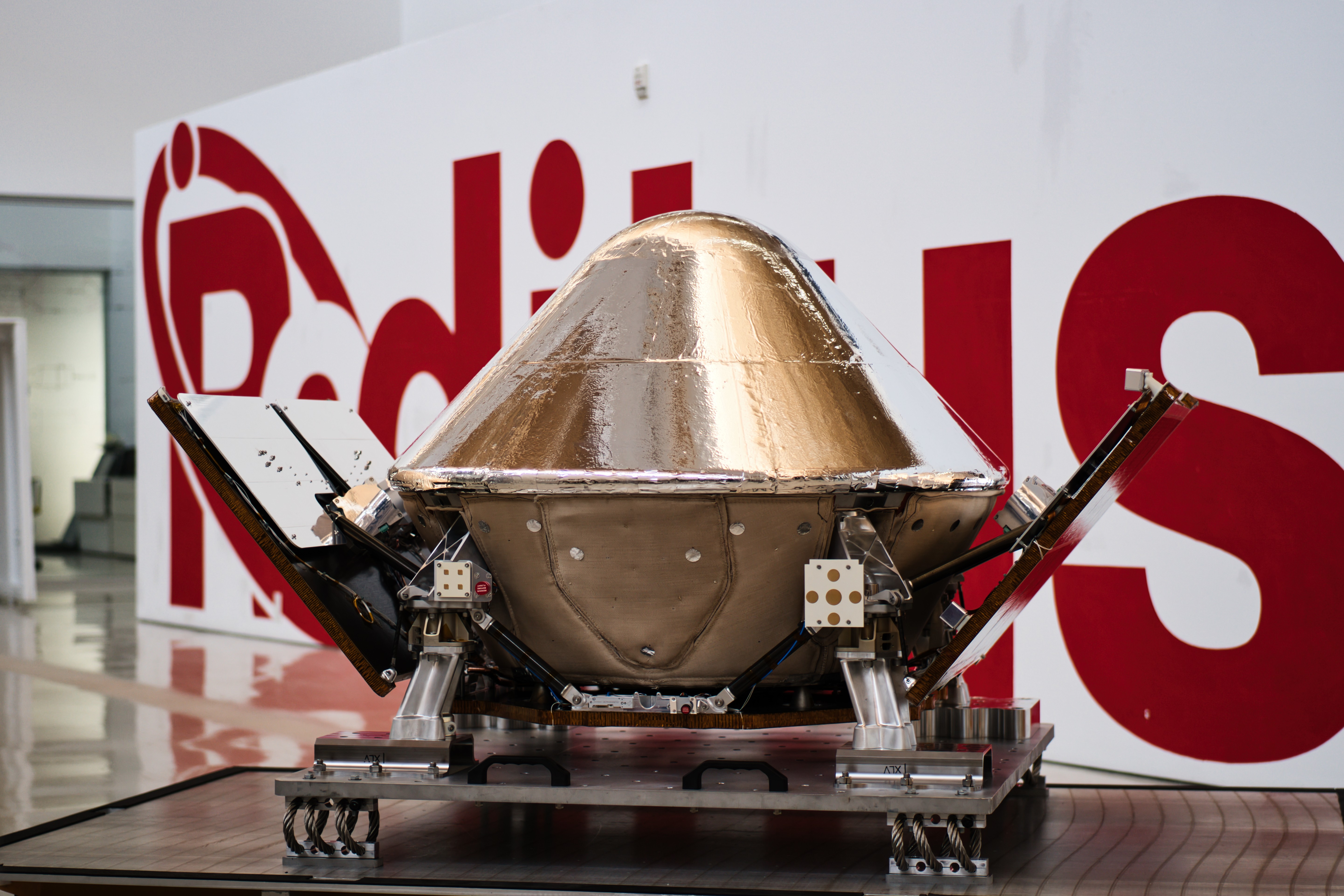
Reditus Space, founded in October 2024 by Stef Crum and Will Sherman, announces the ENOS Mk1 mission, a reusable satellite to host microgravity research and in-space manufacturing. The next generation of pharmaceuticals & semiconductors are going to be manufactured in orbit, and Reditus is building the infrastructure to facilitate this. Industry leaders will be able to send payloads to space and back weekly.
The ENOS program is designed to support pharmaceutical research & production, biotech application, advanced materials development, semiconductor substrate production, and other precision-dependent microgravity applications. By enabling commercial teams to launch experiments, iterate within weeks, and fly again without long cycles or high costs, Reditus aims to redefine the tempo and economics of in-space production.

Reusability
Why Reusability
“Reusability is the only path to making microgravity R&D and manufacturing economically scalable,” said Stef Crum, Co-Founder and CEO of Reditus Space. “This first mission isn’t a demo, it’s the first evolution of a commercial platform built for customers who need reliable and frequent access to space. The industry has been waiting for a scalable infrastructure that can enable high-frequency space access, we are building it now, faster than ever.”

Reditus
About Reditus Space
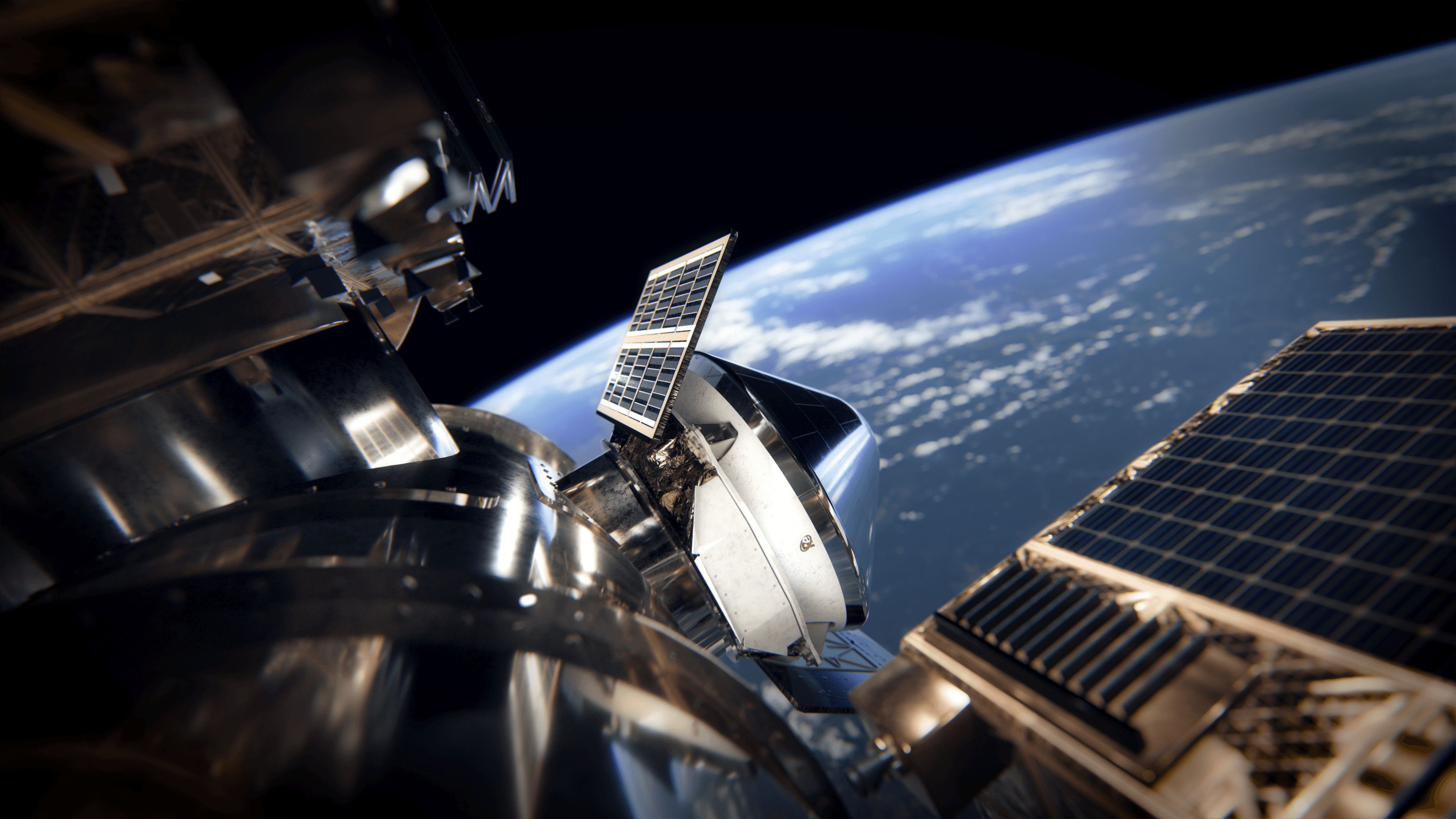
Reditus raised $7.1 million earlier this year post-YC W25, to build this new class of reusable orbital free-flyer. ENOS Mk1 is scheduled to launch in the summer of 2026. This mission will carry multiple customer payloads to space and back. ENOS will spend eight weeks in orbit, after being launched on a SpaceX rideshare, before reentering and landing in the United States. With this mission, Reditus Space will have gone from seed to launch in just 15 months, more than twice as fast as any reentry vehicle ever built.
ENOS will be the largest commercial free-flyer ever to launch and return from orbit. ENOS is built around a fully reusable architecture, the system is engineered to be launched repeatedly, to enable repeatable, capital efficient, high cadence access to microgravity. We believe that reusability is the key to rapid cadence and economic scalability. This ensures the microgravity research and manufacturing industry can thrive post-ISS.
We fly payloads to space and back, so our customers can make world-changing products.
Press Contact:
media@reditusspace.com
www.reditus.space


FAQ
01
Why return from space?
02
What makes ENOS reusable?
03
What's worth making in space?
04
Isn't it way too expensive?
05
Is this even possible?
Dec 1, 2025
ENOS Mission Announcement
Reusable Satellites for Microgravity Research & Manufacturing
Announcement
Press Release
Reditus Space announces ENOS, the first reusable satellite ever built.
Reditus Space, founded in October 2024 by Stef Crum and Will Sherman, announces the ENOS Mk1 mission, a reusable satellite to host microgravity research and in-space manufacturing. The next generation of pharmaceuticals & semiconductors are going to be manufactured in orbit, and Reditus is building the infrastructure to facilitate this. Industry leaders will be able to send payloads to space and back weekly.
The ENOS program is designed to support pharmaceutical research & production, biotech application, advanced materials development, semiconductor substrate production, and other precision-dependent microgravity applications. By enabling commercial teams to launch experiments, iterate within weeks, and fly again without long cycles or high costs, Reditus aims to redefine the tempo and economics of in-space production.
Reusability
Why Reusability
“Reusability is the only path to making microgravity R&D and manufacturing economically scalable,” said Stef Crum, Co-Founder and CEO of Reditus Space. “This first mission isn’t a demo, it’s the first evolution of a commercial platform built for customers who need reliable and frequent access to space. The industry has been waiting for a scalable infrastructure that can enable high-frequency space access, we are building it now, faster than ever.”
Reditus
About Reditus Space
Reditus raised $7.1 million earlier this year post-YC W25, to build this new class of reusable orbital free-flyer. ENOS Mk1 is scheduled to launch in the summer of 2026. This mission will carry multiple customer payloads to space and back. ENOS will spend eight weeks in orbit, after being launched on a SpaceX rideshare, before reentering and landing in the United States. With this mission, Reditus Space will have gone from seed to launch in just 15 months, more than twice as fast as any reentry vehicle ever built.
ENOS will be the largest commercial free-flyer ever to launch and return from orbit. ENOS is built around a fully reusable architecture, the system is engineered to be launched repeatedly, to enable repeatable, capital efficient, high cadence access to microgravity. We believe that reusability is the key to rapid cadence and economic scalability. This ensures the microgravity research and manufacturing industry can thrive post-ISS.
We fly payloads to space and back, so our customers can make world-changing products.
Press Contact:
media@reditusspace.com
www.reditus.space
FAQ
01
Why return from space?
02
What makes ENOS reusable?
03
What's worth making in space?
04
Isn't it way too expensive?
05
Is this even possible?
Dec 1, 2025
ENOS Mission Announcement
Reusable Satellites for Microgravity Research & Manufacturing
Announcement
Press Release
Reditus Space announces ENOS, the first reusable satellite ever built.
Reditus Space, founded in October 2024 by Stef Crum and Will Sherman, announces the ENOS Mk1 mission, a reusable satellite to host microgravity research and in-space manufacturing. The next generation of pharmaceuticals & semiconductors are going to be manufactured in orbit, and Reditus is building the infrastructure to facilitate this. Industry leaders will be able to send payloads to space and back weekly.
The ENOS program is designed to support pharmaceutical research & production, biotech application, advanced materials development, semiconductor substrate production, and other precision-dependent microgravity applications. By enabling commercial teams to launch experiments, iterate within weeks, and fly again without long cycles or high costs, Reditus aims to redefine the tempo and economics of in-space production.
Reusability
Why Reusability
“Reusability is the only path to making microgravity R&D and manufacturing economically scalable,” said Stef Crum, Co-Founder and CEO of Reditus Space. “This first mission isn’t a demo, it’s the first evolution of a commercial platform built for customers who need reliable and frequent access to space. The industry has been waiting for a scalable infrastructure that can enable high-frequency space access, we are building it now, faster than ever.”
Reditus
About Reditus Space
Reditus raised $7.1 million earlier this year post-YC W25, to build this new class of reusable orbital free-flyer. ENOS Mk1 is scheduled to launch in the summer of 2026. This mission will carry multiple customer payloads to space and back. ENOS will spend eight weeks in orbit, after being launched on a SpaceX rideshare, before reentering and landing in the United States. With this mission, Reditus Space will have gone from seed to launch in just 15 months, more than twice as fast as any reentry vehicle ever built.
ENOS will be the largest commercial free-flyer ever to launch and return from orbit. ENOS is built around a fully reusable architecture, the system is engineered to be launched repeatedly, to enable repeatable, capital efficient, high cadence access to microgravity. We believe that reusability is the key to rapid cadence and economic scalability. This ensures the microgravity research and manufacturing industry can thrive post-ISS.
We fly payloads to space and back, so our customers can make world-changing products.
Press Contact:
media@reditusspace.com
www.reditus.space
FAQ
Why return from space?
What makes ENOS reusable?
What's worth making in space?
Isn't it way too expensive?
Is this even possible?